Friends of the Royal Navy Submarine Museum

Preserving the rich history and heritage of the UK Submarine Service

The Friends of the Royal Navy Submarine Museum is a charitable organisation dedicated to preserving the rich history of the UK’s Submarine Service. With nearly 900 members, they play a vital role in conserving historical artefacts and supporting the museum's work—from gallery enhancements to staff training.

Website development

The Challenge

The Friends' website serves as a crucial connection to the public, showcasing the extensive history they protect. The challenge was that their existing WordPress site was outdated and difficult for visitors to navigate, meaning this connection was failing. The fascinating historical resources and information about their important preservation work were often hard to find.

The organisation needed a modern, user-friendly platform that would not only showcase their mission effectively but also encourage new memberships to support their cause.

The Solution

Our first step was a thorough assessment of the existing website. We identified key areas for improvement in the site structure, content organisation, and overall user experience.

The project focused on a few core objectives:

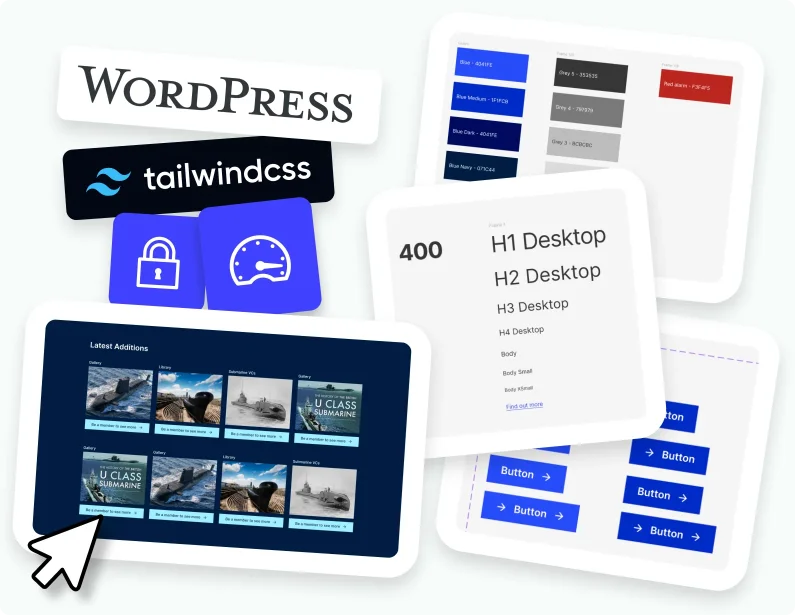
  • A full WordPress upgrade. We brought the site up to the latest version of WordPress to improve security, boost performance and speed, and ensure it could support modern web technologies. This provides a stable and secure foundation for the future.

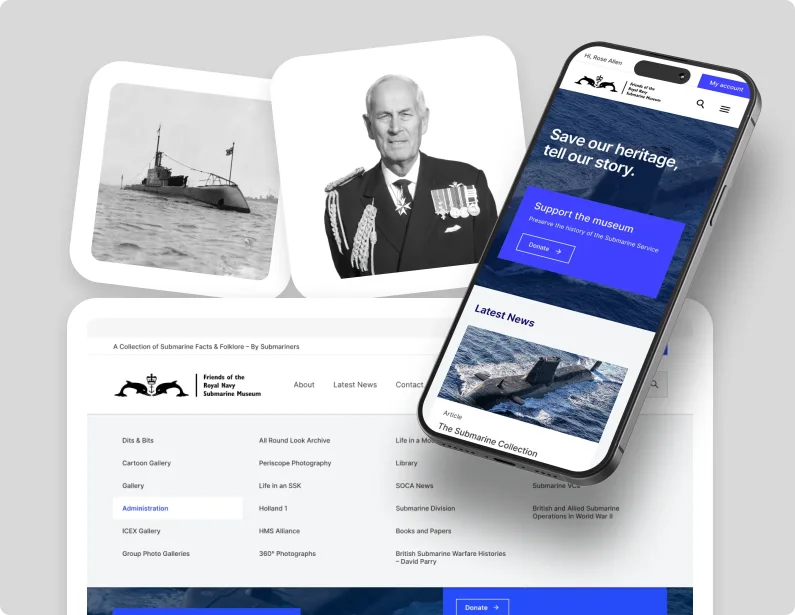
  • A contemporary and intuitive design. We created a new design that feels both modern and respectful of the historical subject matter. The new interface prioritises clear navigation, making it simple for users to find information about the organisation, membership benefits, and the museum.

  • Improved content structure and search. We reorganised the website’s content into logical categories, making it easier for visitors to explore. An advanced search function was also implemented, allowing users to quickly locate specific information within the site’s extensive archives.

The Results

The new website provides a professional and engaging digital 'shop window' for the organisation, transforming their online presence from a simple archive into a dynamic hub for members and the public. This is reflected in early engagement metrics, which show a clear increase in the average time visitors spend on the site and a significant decrease in bounce rates.

Key outcomes include:

  • A faster, more secure platform. The technical upgrades provide more than just a better user experience. They give the Friends peace of mind with a secure, stable platform that is built to last, providing a stronger foundation for search engine visibility to attract new audiences interested in naval history.

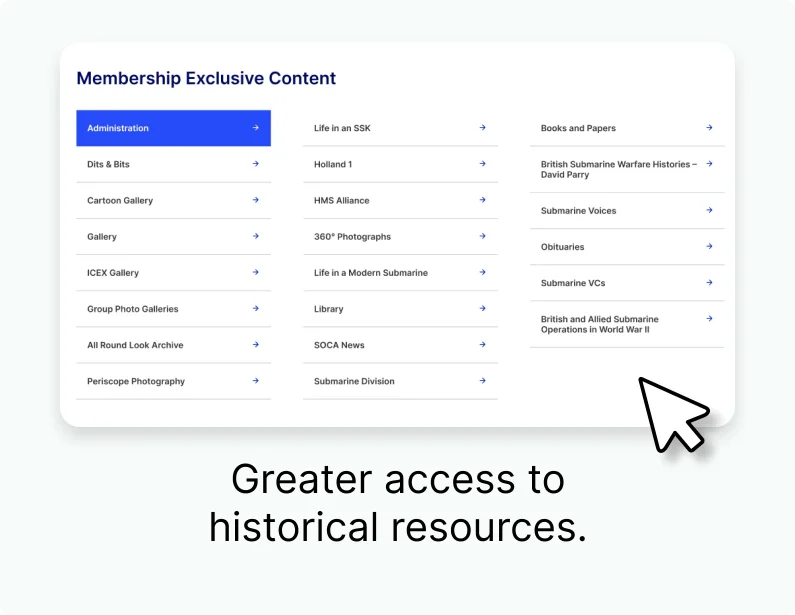
  • Greater access to historical resources. By making the site's content intuitive to navigate, we have unlocked the value of their extensive historical archives. This improved access has translated directly into tangible results, with the Friends reporting a noticeable increase in membership enquiries and greater participation in their events.

  • An asset for future growth. The website is now a powerful and sustainable tool that supports the Friends' core mission. It empowers them to continue their vital preservation work, ensuring the UK's submarine heritage can be shared with a wider audience and remain accessible for generations to come.

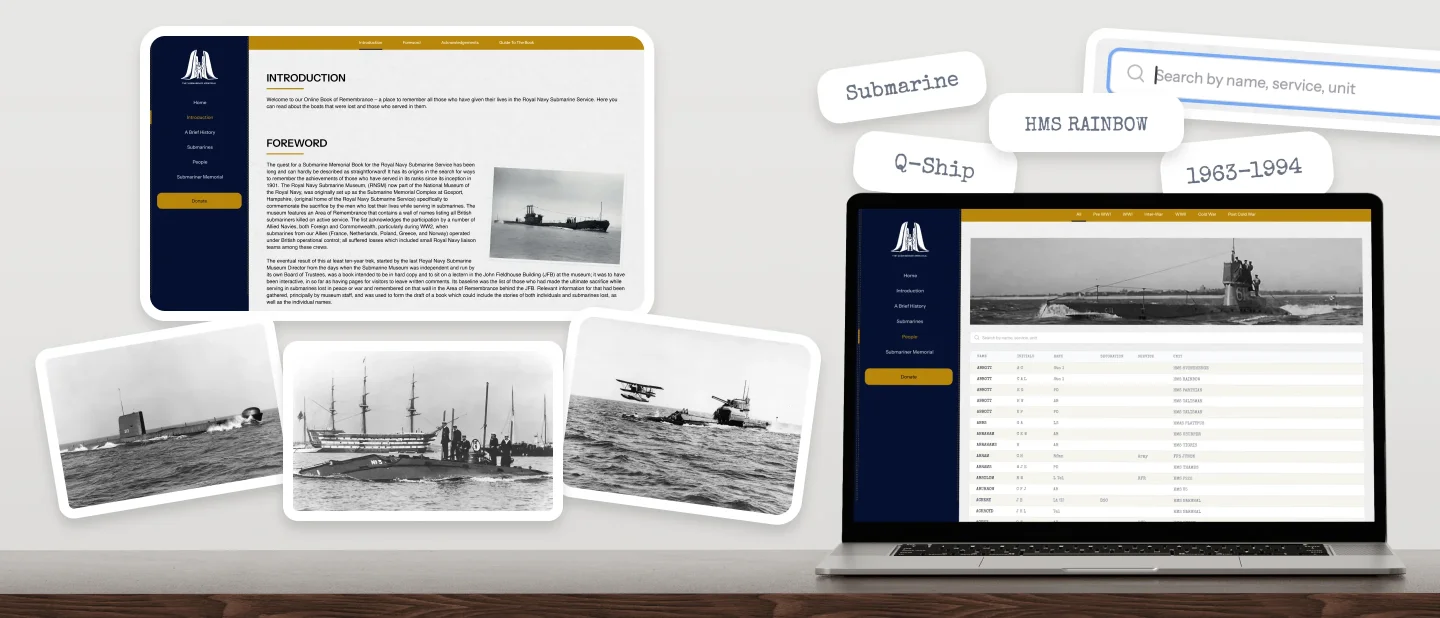
Online Book of Remembrance website migration

The Challenge

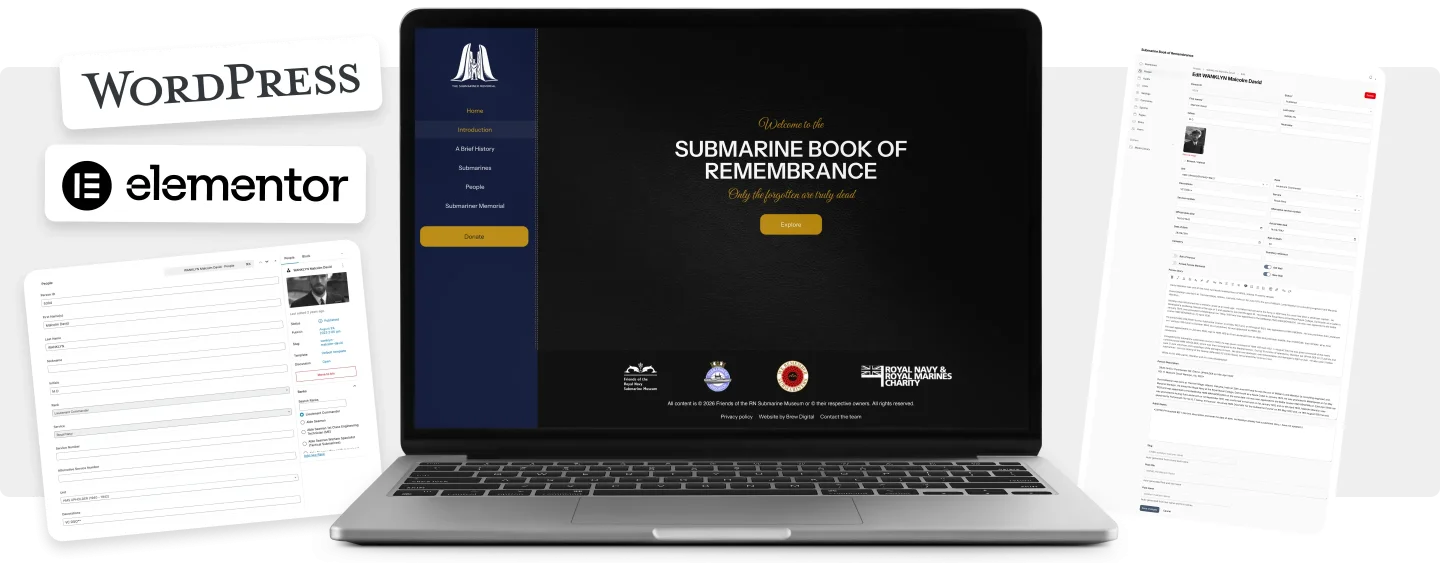
The original website, built on WordPress using the Elementor page builder, had become a significant source of friction for the client. What began as a platform for remembrance had evolved into a complex management burden where the core issues were not merely cosmetic but structural, directly impacting the integrity of the historical record. The reliance on a heavy page builder meant that every change required manual, repetitive effort, while a lack of formal data architecture led to a "noisy" back-end environment that frustrated administrators.

Beyond the interface, the site faced critical technical hurdles. The lack of a robust deployment mechanism meant that changes had to be applied directly to the live site, risking stability. Furthermore, without proper security protocols in place, the platform was frequently targeted by spam, and the sprawling library of over 2,700 assets remained unoptimised and largely unmanaged.

Key issues identified included:

  • Structural data integrity: Content types were linked by name rather than unique IDs, leading to frequent errors where data for different individuals or vessels was incorrectly merged.

  • Performance bottlenecks: The use of Elementor caused slow loading times and an over-complicated administrative back-end.

  • Security vulnerabilities: High levels of spam and a heavy reliance on outdated third-party plugins created significant maintenance overhead.

  • Unoptimised asset management: A large, unmanaged image library made it difficult to verify which assets were in use or properly formatted.

The Solution

To solve these issues, we steered the project away from a standard CMS approach. WordPress is excellent for content-heavy sites, but for a directory-style archive like OBOR, it was excessive and overcomplicated. We recommended Laravel Nova—a specialised administration panel built for data-driven applications. This allowed us to build the database according to the exact specification of the archive without the restrictive architecture of traditional blogging platforms.

The move to Laravel’s Eloquent ORM was the key to fixing the site's identity crisis. Instead of matching submarines and people by name, we rebuilt the database from the ground up using unique numerical IDs. We exported the original data into a master spreadsheet, cleansed it to remove historical errors, and then used custom Laravel commands to import it into the new, structurally sound environment.

To improve the user and admin experience, we focused on three core areas:

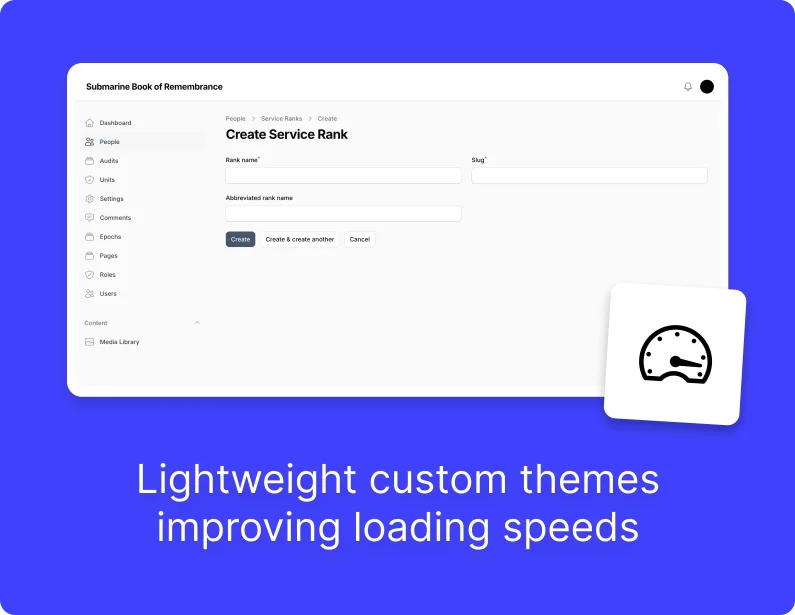
  • Custom architecture: We replaced the bloated Elementor builder with a lightweight custom theme. This retained the aesthetic the client loved while removing technical debt and improving loading speeds.

  • Simplified management: We stripped away the 'noise' of unnecessary CMS fields, replacing them with custom filters, metrics, and lenses tailored specifically to the project's directory needs.

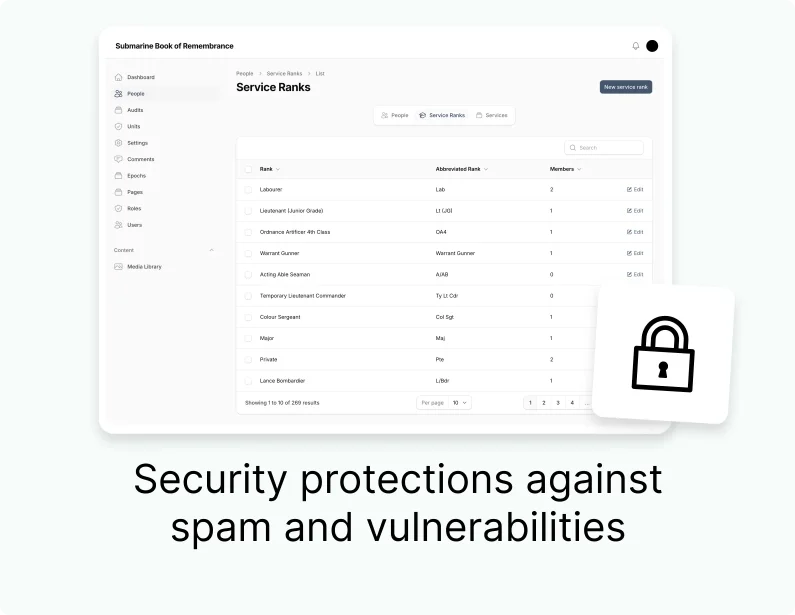
  • Hardened security: We implemented robust protection against spam and vulnerabilities. This included carrying over and improving upon 'honeypot' form fields—hidden fields that catch bots before they can submit spam to the system.

By moving the site to an isolated hosting environment with a dedicated GitHub repository and SSH-based deployment, we also solved the staging-to-live issue. The team can now test changes in a safe environment before pushing them live with total confidence.

The migration was successfully delivered and launched within a six-week development window, providing a complete technical and structural overhaul of the archive. By cleansing the data and implementing a strict numerical ID structure, we eliminated the attribution errors that previously compromised the historic record, ensuring the service of every individual is accurately documented.

This improved data integrity is matched by a vastly improved management experience. The new simplified back-end has stripped away the administrative burden of the previous system, allowing the team to manage records with speed and clarity.

For visitors to the website, the removal of heavy page builders and the optimisation of digital assets have resulted in a faster, more responsive site that respects the importance of the content. Furthermore, by moving to a Laravel-based framework, the platform now benefits from enterprise-grade security, making it far less susceptible to the automated attacks typically directed at standard CMS platforms.

The key successes for the client included:

  • Zero attribution errors: By implementing a numerical ID structure we ensured 100% data reliability—wiping out merged or missing records once and for all.

  • A cleaner management experience: A purpose-built back-end replaced a slow and clunky experience that made updating the website faster and more intuitive.

  • Optimised, high-speed performance: Moving away from bloated page builders allows for a leaner and more responsive experience for every visitor

  • Enterprise-grade security: By transitioning to Laravel the OBOR benefits from a robust framework that enhances security while slashing maintenance overhead.

" The transfer of the Submarine Book of Remembrance and its conversion from Wordpress to Laravel has been a remarkable success. The ease of working with the Brew team and knowledge and understanding of the developers when compared to the previous development company is noteworthy.  Excellent communications and taut project management delivered the project on time and to budget and the ease and speed of use of the new site is much better than we expected.  This was altogether a positive experience with a happy customer.

Tom Herman, Digital Lead, Friends of the Royal Navy Submarine Museum

More Case Studies